Background
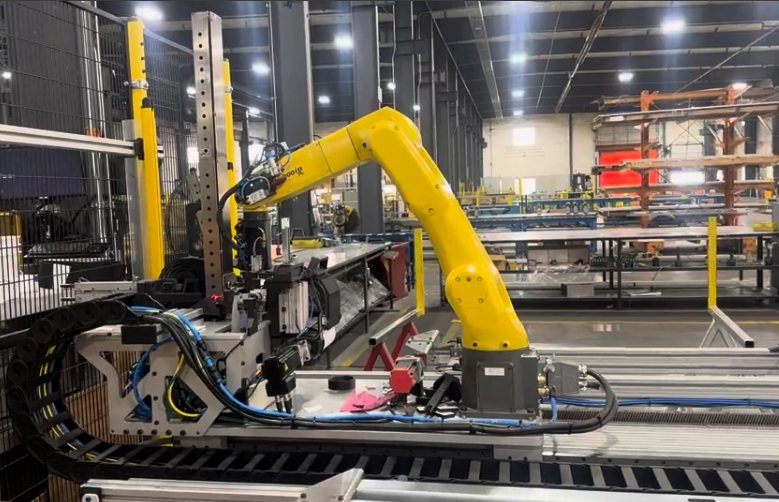
A robotic assembly line produces soundproof steel studs. The robot places foam onto the studs, and magazines feed the foam into the process.
I was tasked with running time studies on the line to reduce downtime and improve throughput.
Time Studies
I worked with the line operator to understand how the machine ran, and recorded cycle times and faults across the production cycle.
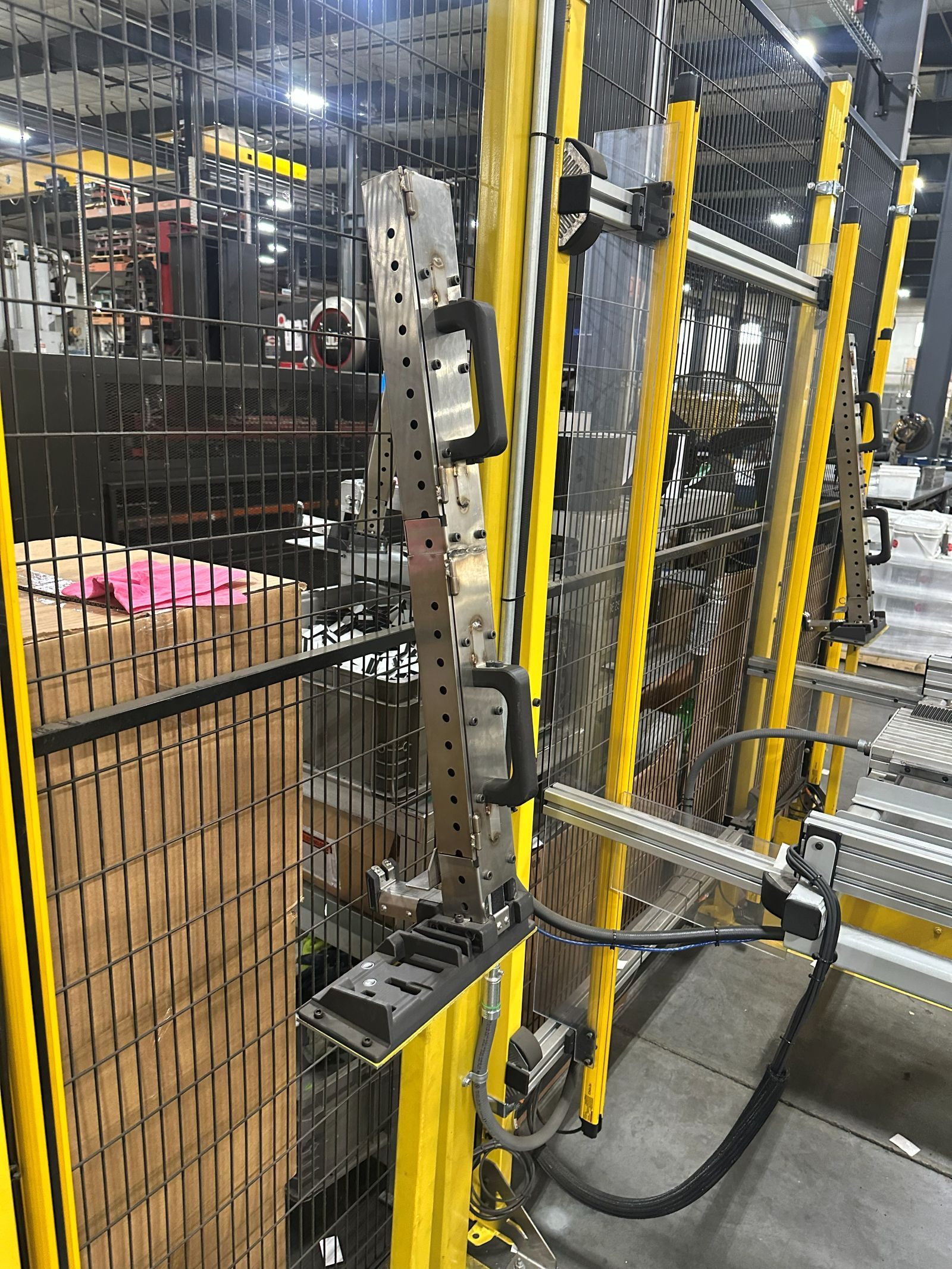
During that work I noticed the larger of the two magazines was not in use. I asked the operator why, and found it jammed far more often than the smaller one, which had made it unusable in production.
Finding the Defect
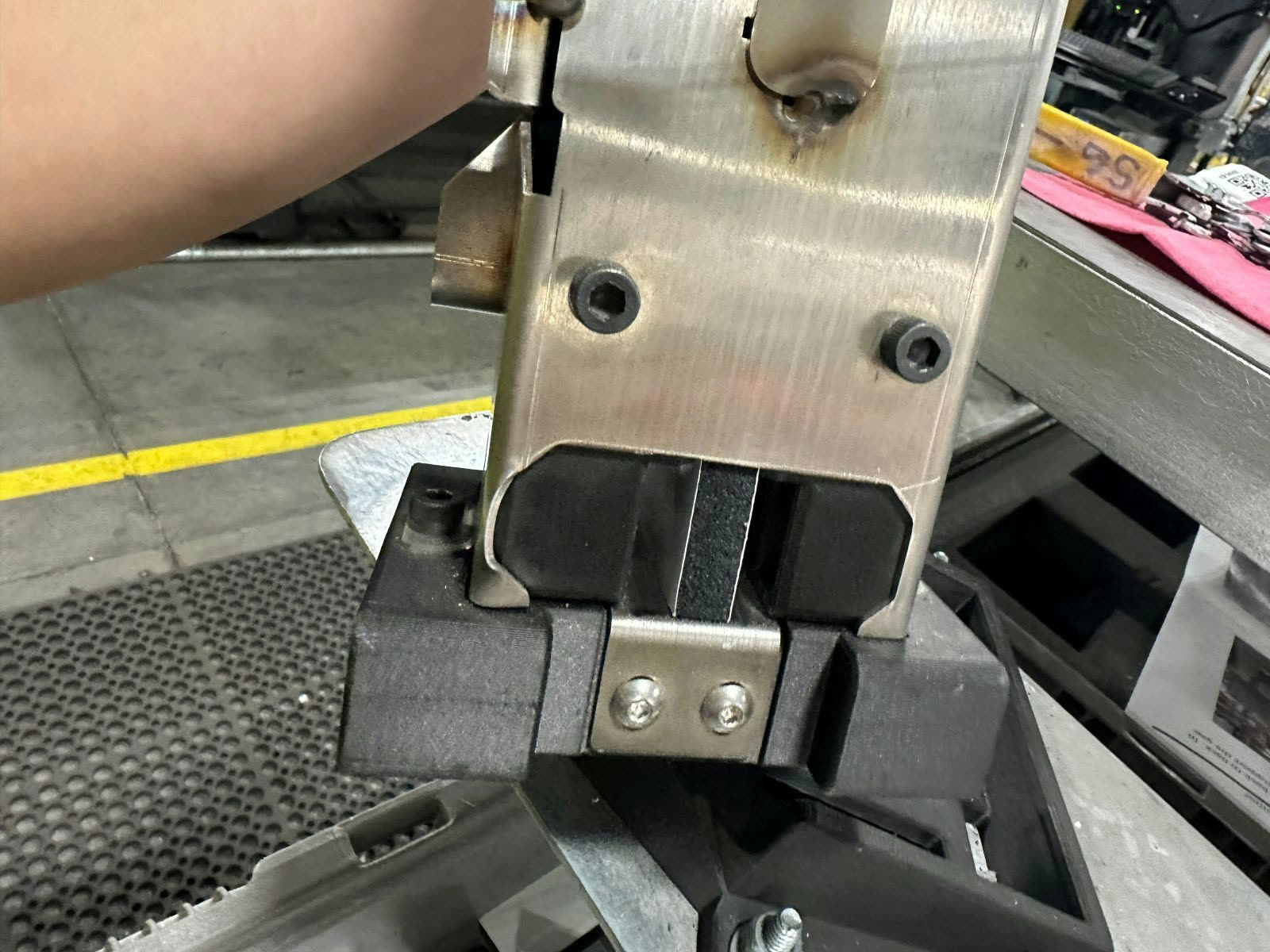
I inspected the magazine and fed foam through it by hand. The feeding channel was not uniform in width, and the foam consistently caught toward the bottom of the channel, which is what jammed the magazine.
The defect was not visually apparent. The channel looked uniformly spaced and straight, which is why the problem had not been found by inspection.
Correction
I brought the finding to my manager and worked with the maintenance team on options to modify the magazine. I proposed several, prioritizing the least invasive: applying pressure to the channel to widen it rather than replacing or remachining the assembly.
Workstation Ergonomics
I also added fatigue mats at the operator station, where the work is performed standing for the length of a shift.
Result
70% reduction in jams, measured by running further time studies on the line after the modification was made.
The larger magazine was returned to regular production service. It holds more foam per load, so the operator reloads less often and has more time for material prep and other tasks on the line.
Reduction in jams, measured by follow-up time studies.