Background
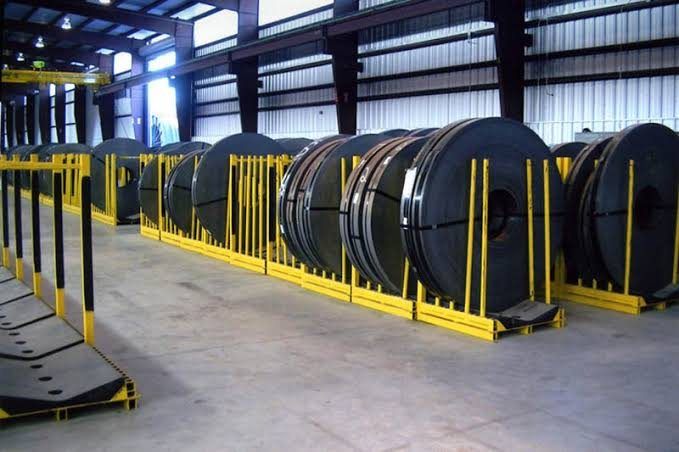
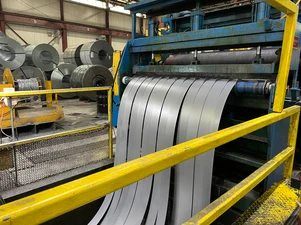
Studs are roll formed from slit steel coil, and the slit coil width sets the material used in every part produced from it. The goal of the project was to determine whether the slit coil width could be reduced across the common stud profiles while the formed product stayed within drawing tolerance.
Dimensional Analysis
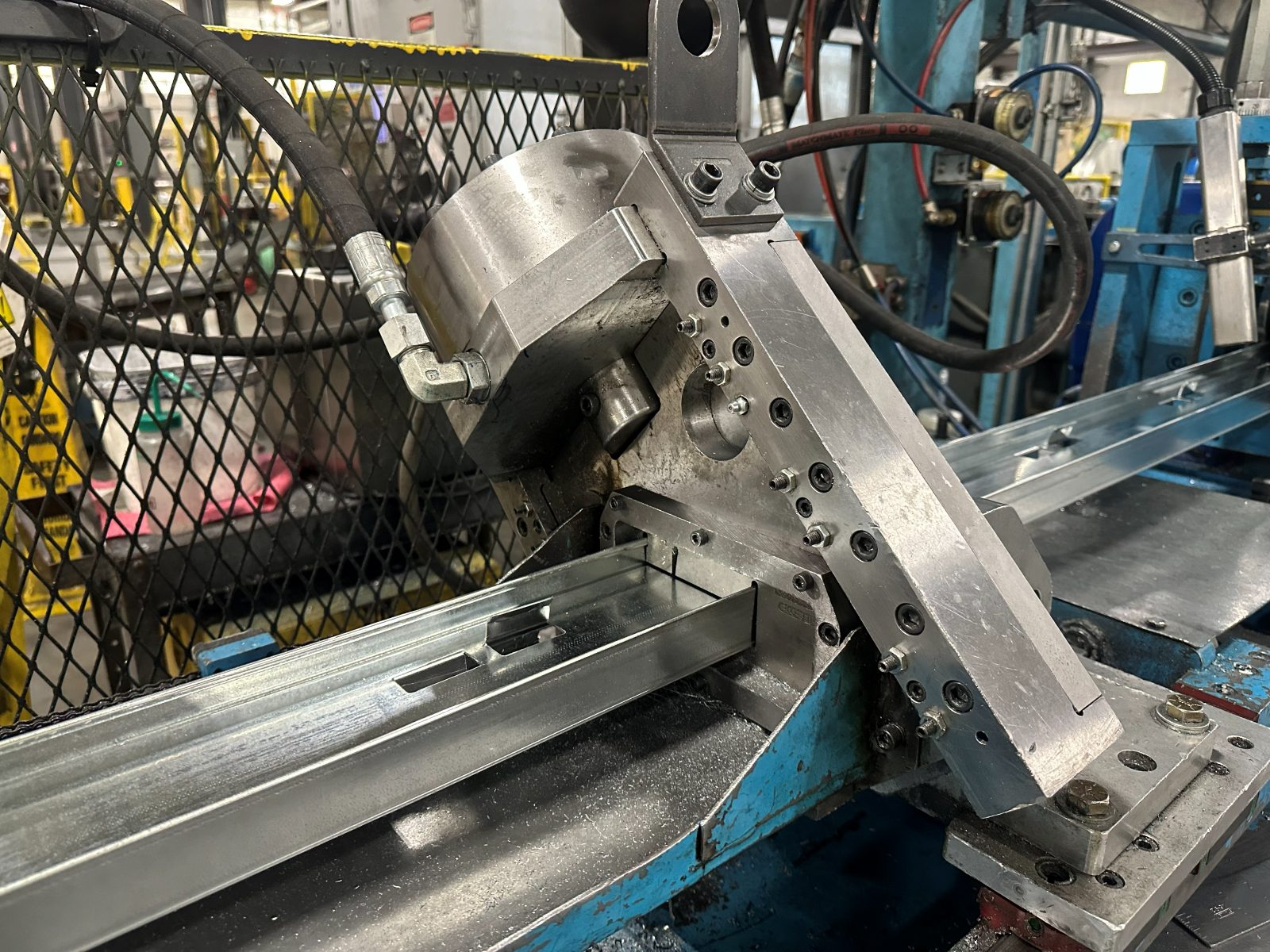
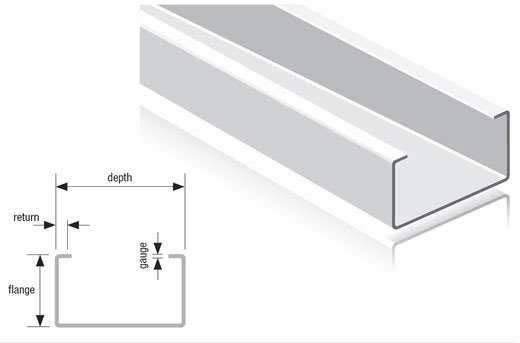
I took over 100 caliper measurements across the different stud dimensions and across different roll forming lines, then compared the measured dimensions against the engineering drawings to determine how much leeway existed before a reduction in slit width would put the product out of tolerance.
Caliper measurements across stud dimensions and roll forming lines.
Excel VBA Macro
Comparing measurements against the tolerance list by hand was slow, so I wrote an Excel VBA macro to do it. The macro:
- Reads the product code for each measurement.
- Looks up the nominal width and tolerance for that stud profile.
- Calculates how much excess material the measurement carries before the profile runs out of tolerance.
- Takes the more conservative half of that figure as the usable reduction, so the structural properties of the stud are not compromised.
Selecting the Profiles
Not every profile is worth changing. I selected the highest-volume stud profiles, where a width reduction returns enough material saving to be commercially worth implementing, and calculated the savings across them at approximately $57,000 per year.
Result
Approximately $57,000 per year in material savings on the highest-volume stud profiles. The changes were being implemented when my internship ended.
Annual material savings.